



The hardest part of a patient visit is rarely the conversation itself. It is staying fully present while remembering every symptom, medication plan and follow-up tasks—then turning it all into a usable clinical record.
Echo, an AI note taker for doctors, can reduce that friction. It captures the conversation, creates a transcript, organizes it into a structured draft, and helps move follow-up work forward.
Clinical documentation keeps following doctors home
A 2020 study in Journal of General Internal Medicine found that 61 physicians across 28 practices in 16 states spent 20.7% of their work time on EHR input alone and 44.9% of their total work time using the EHR.
The exact mix varies by specialty, but the tension is familiar: attention is divided between the patient and the record. When documentation cannot be completed during the day, it follows doctors home.
How Echo Reduces Documentation Burden Through Patient Visit
1、Capture the patient conversation without breaking the flow
Picture a typical outpatient visit. A patient walks in and begins describing symptoms. The doctor needs to listen, observe, ask follow-up questions, review medical history, consider possible diagnoses, discuss treatment options, and simultaneously enter structured information into the EHR.
Opening a recording app on a phone or laptop adds friction, especially during physical examinations, bedside care, or rounds.
A dedicated recorder provides a more natural way to preserve the encounter while the clinician focuses on the person in front of them.
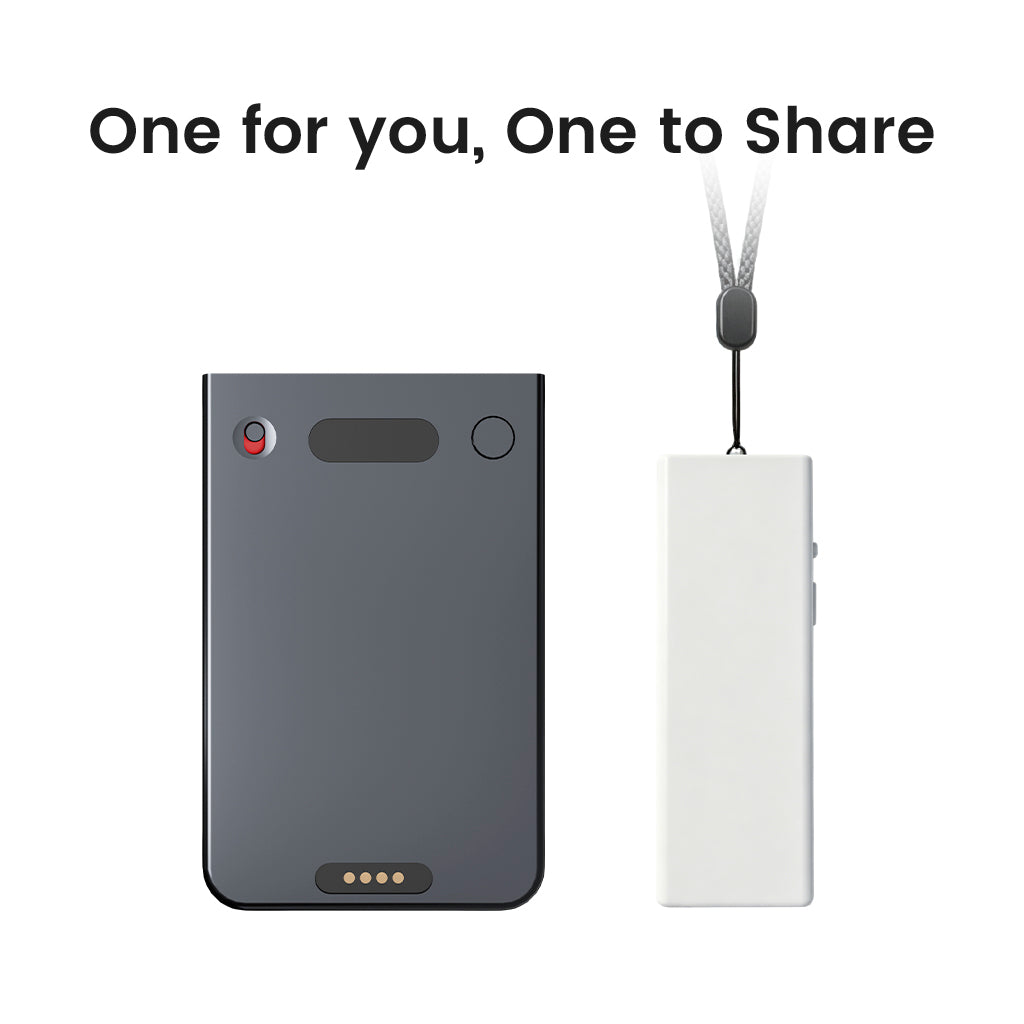
Echo offers two options for different clinical workflows:
- Echo Mini weighs 15 g, provides eight hours of battery life, and can be worn for hands-free capture. It is well suited to outpatient consultations, ward rounds, and bedside conversations.
- Echo Pro provides 10 hours of battery life and attaches magnetically to a phone, making it a better fit for long clinic days, phone consultations, and back-to-back conversations.

2、Turn recordings into structured clinical drafts
A raw transcript still leaves the doctor with too much information to organize manually.
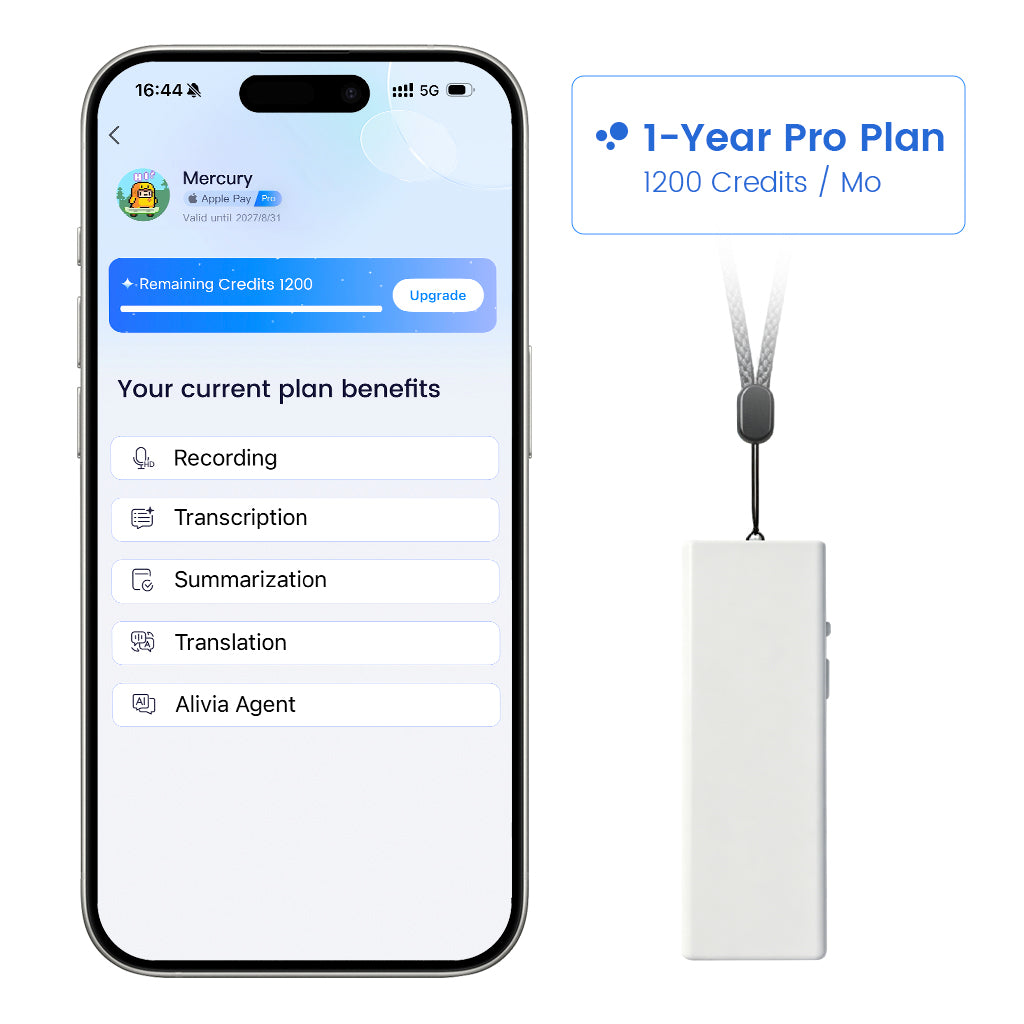
Echo turns recorded conversations into structured summaries. It includes eight templates for healthcare scenarios, including SOAP notes, medical referral letters, and medical consultation summaries. Healthcare teams can also customize templates to match their specialty, documentation standards, and existing workflow.
This structure matters because patients rarely describe their medical histories in chart order. They remember details, clarify earlier statements, and return to previous topics. The useful output is not a verbatim wall of text. It is a clear, review-ready clinical draft that distinguishes:
- What the patient reported
- Relevant symptoms and medical history
- What the clinician observed and assessed
- Medication or treatment discussions
- Questions that remain unresolved
Once the consultation ends, the doctor can review, edit, export, and add the approved information to the appropriate clinical record.

3、Close the care loop
A scribe helps finish the note. An agent can help the care team close the loop.
Completing a note does not complete the care workflow. The care team may still need to complete follow-up tasks after the visit.
Echo's built-in Agent Alivia can search past recordings and help draft, organize, schedule, and advance post-conversation tasks. Depending on the organization's workflow and connected tools, Alivia can help:
- Create follow-up tasks and calendar reminders
- Draft after-visit instructions for clinician review
- Prepare administrative or referral messages
- Summarize action items for nurses or administrative teams
- Retrieve information from previous consultations
Its value lies in turning confirmed clinical decisions into trackable follow-up actions, reducing the risk that important next steps get buried in administrative work.

Four healthcare scenarios where Echo can help
Outpatient consultations: Capture the patient’s symptoms, medical history, medication changes, and treatment plan, then generate a structured clinical draft for review.
Rounds and bedside care: Use hands-free capture while moving between rooms, then organize patient updates and next steps.
Phone and virtual follow-ups: Record permitted calls and turn the discussion into a concise record of changes, advice, and follow-up instructions.
Multidisciplinary discussions: Summarize and make it easier to track.
What changes when doctors use Echo?
The first benefit is attention. When doctors spend less time looking at a screen or typing, they can seem more present, patient, and attentive. This helps build trust.
The second is consistency. Repeatable templates reduce the chance that important information becomes buried in unstructured notes.
The third is continuity. A clear summary gives clinicians, nurses, administrative staff, patients, and caregivers a shared understanding of what should happen next.
Use Echo safely in a clinical environment
Before recording, explain the purpose in plain language, obtain the consent required in the relevant location, and offer an alternative when a patient prefers not to be recorded.
Echo is HIPAA compliant, with privacy and security controls designed to protect patient information under the appropriate regulatory framework.
Most importantly, every transcript, summary, and suggested action should be treated as a draft. A qualified clinician should check names, dosages, negations, diagnoses, and follow-up instructions before anything enters the medical record or reaches a patient.
Spend less time documenting—and more time caring
Doctors need a reliable way to capture conversations without interrupting them, turn those conversations into review-ready documentation, and prevent confirmed next steps from disappearing into administrative busywork.
That is the role an AI note taker for doctors—and Echo's Capture → Summarize → Act workflow—is designed to play.






Leave a comment
This site is protected by hCaptcha and the hCaptcha Privacy Policy and Terms of Service apply.